ITDP for Sidli, Chirang, Assam
SBNP in Barbaruah, Dibrugarh, Assam
SBNP in Khowang, Dibrugarh, Assam
ITDP in Kushdhowa, Goalpara, Assam
ITDP for Thrizino, West Kameng, Arunachal Pradesh
ITDP for Sidli, Chirang, Assam
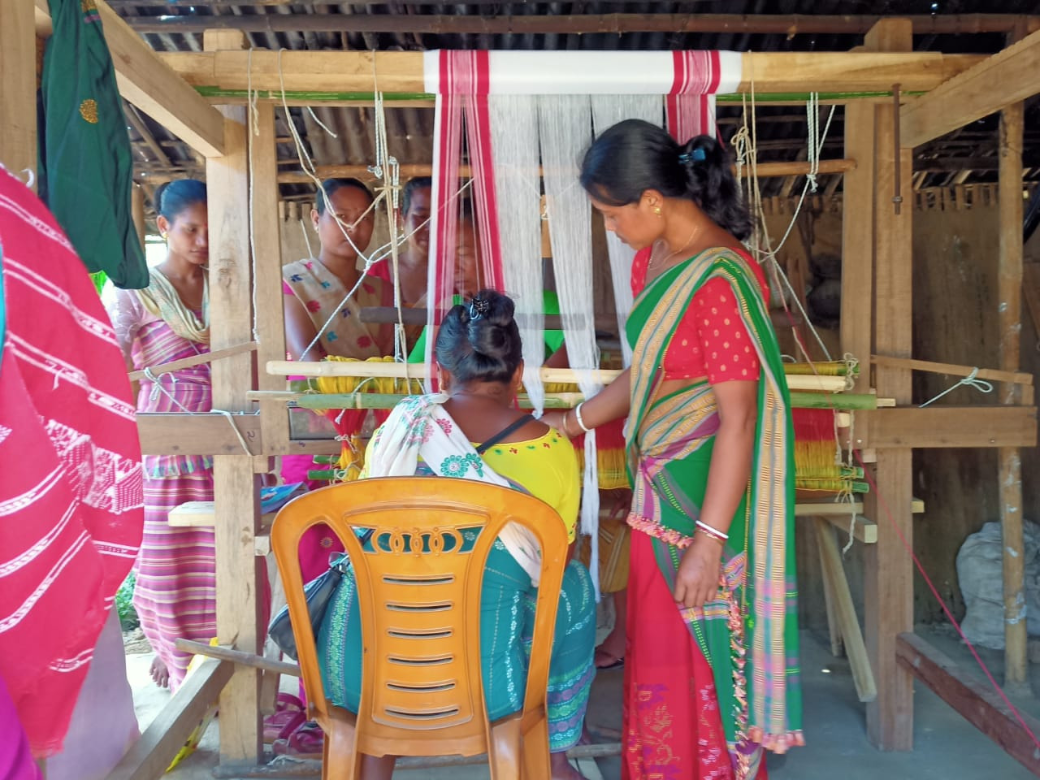
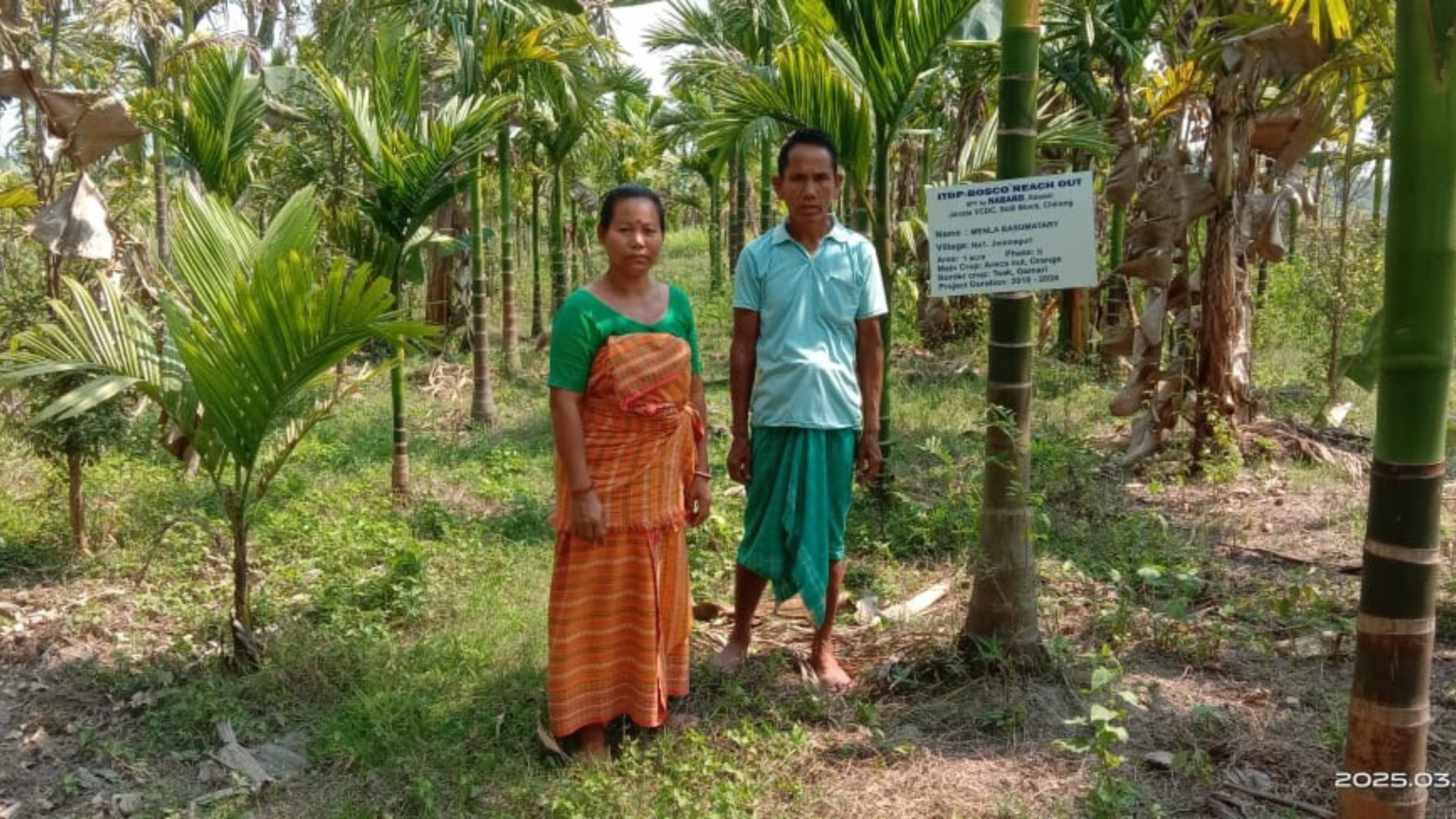
The Integrated Tribal Development Programme (ITDP), known as the BAGAN Project, has successfully completed six years of implementation in the Sidli block of Chirang district, Assam, since its launch in April 2018. The project has brought substantial socio-economic changes to the region. Community-Based Organizations (CBOs), including Village Planning Committees (VPCs) and Self-Help Groups (SHGs), have played a vital role in facilitating village-level planning, enhancing livelihoods, and ensuring convergence with line departments.
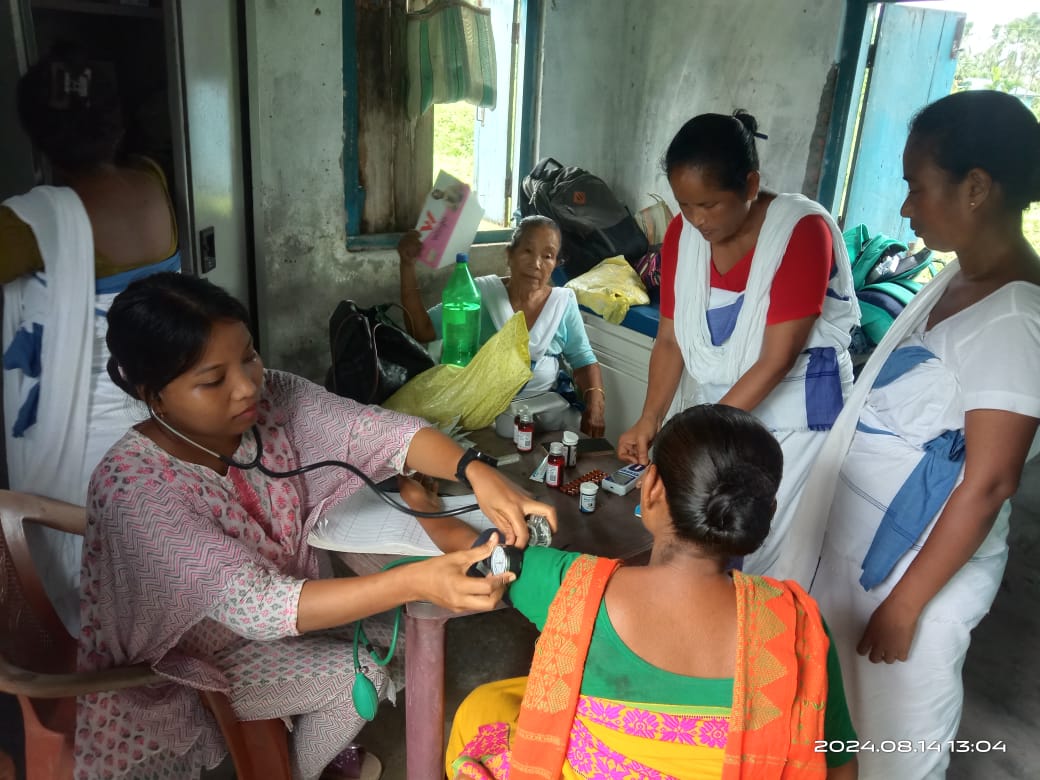
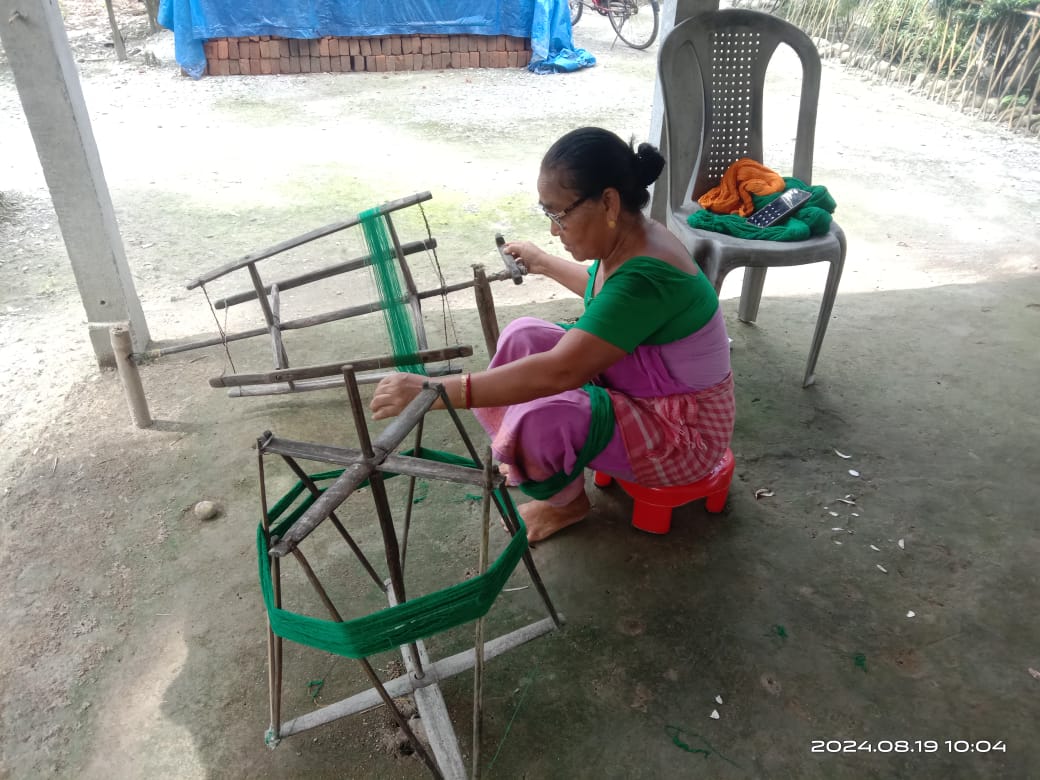
Notably, 53 out of 57 SHGs are now credit-linked, with a total credit amount of Rs. 28,45,040. Additionally, 53 weavers, trained under the project, are now earning an average of Rs. 6,800 per month. As part of the livestock initiative, 50 low-cost piggery units—each comprising two sows and one boar—have been developed. With 142 matured pigs, these units have generated an income of Rs. 23,00,000 over two years. The formation of the Malivita Dairy Milk FPO with 400 members marks a significant milestone in collective marketing. Despite challenges in accessing credit due to distant bank branches, financial inclusion has improved, with 98% of Wadi beneficiaries now covered under social security schemes. The renovation of 17 community wells and distribution of Wello Water Wheels have reduced the drudgery of women. Crash coaching programs have ensured a 100% pass rate in HSLC examinations and zero school dropouts. Migration has been mitigated through localized skill development initiatives. Health and hygiene awareness has increased through medical camps and COVID-19 outreach, supported by strengthened institutional linkages. Improved livestock management and partial orchard harvests have boosted agro-allied incomes by 33%. Overall, the project has improved the quality of life, reduced vulnerabilities, and laid a strong foundation for sustainable rural development in the project villages.
SBNP in Barbaruah, Dibrugarh, Assam
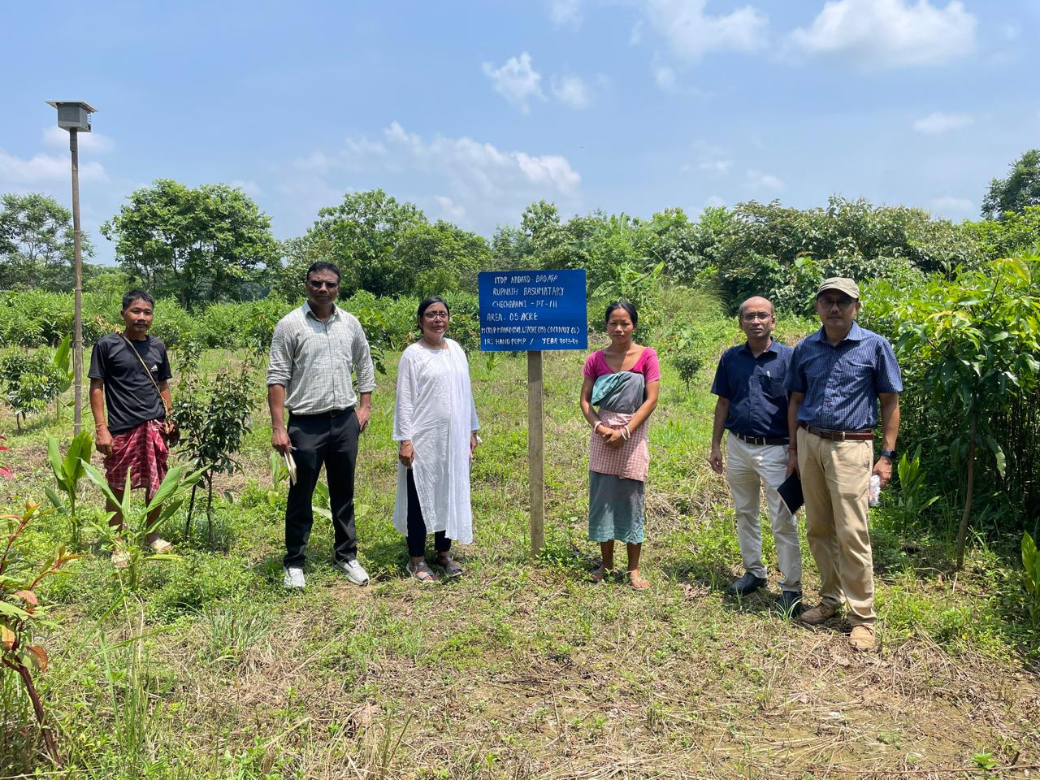
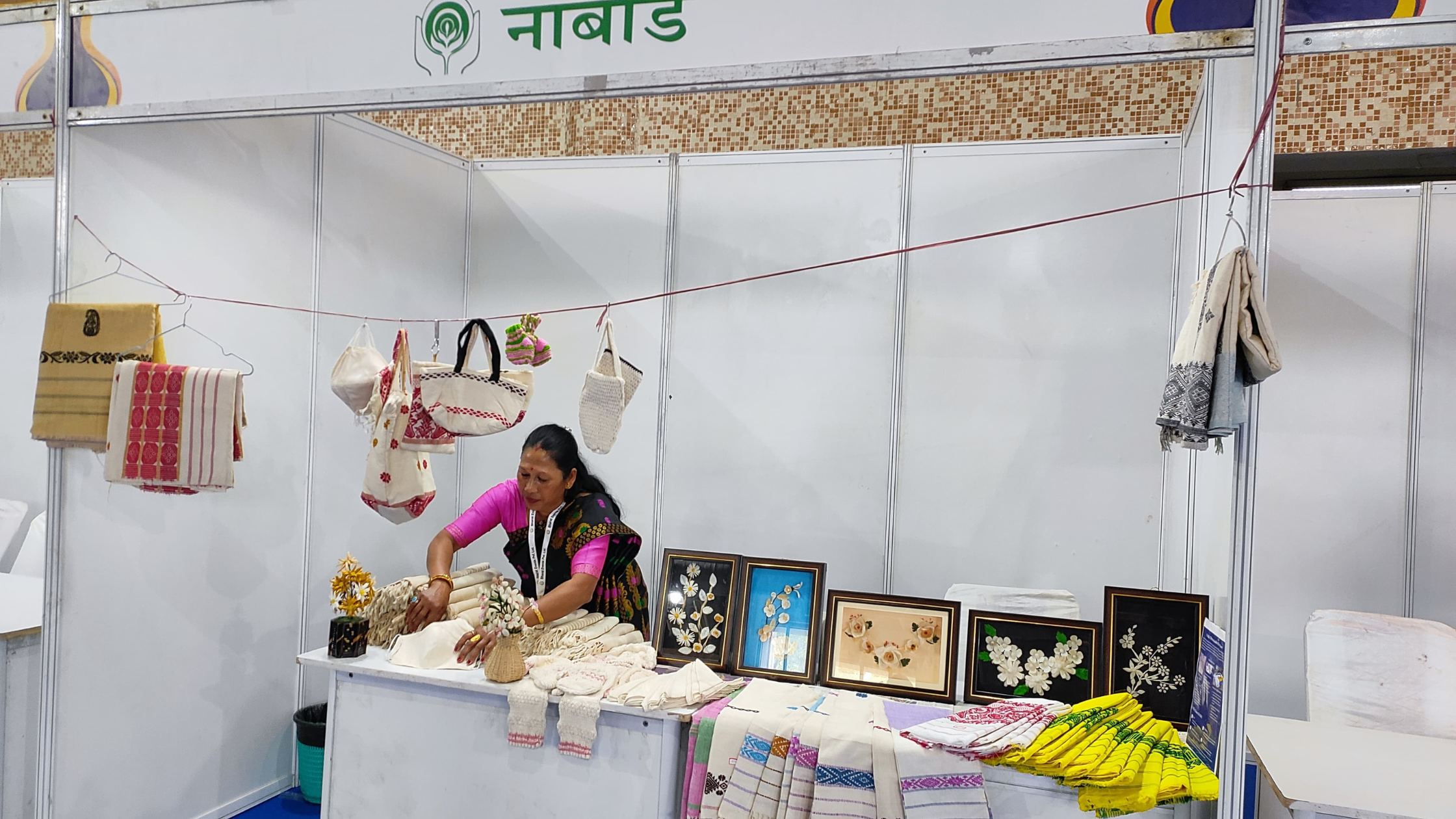
The Sericulture-Based Non-Wadi Project in Barbaruah block, Dibrugarh district, Assam, has been under implementation since April 2022, promoting the concept of a small orchard integrated with Eri silk production, for the holistic development of tribal communities. The project involves 200 Eri silk weavers from three villages who have developed 100 acres of plantation with Eri food plants, primarily castor and kesseru, intercropped with vegetables, colocasia, turmeric, and bordered with arecanut. All 200 beneficiaries have installed hand pumps within their plantations to ensure adequate irrigation. A 200-square-meter Assam-type Common Facility Centre (CFC) now provides critical infrastructure support to these weavers in their production of Ahimsa Eri silk. 39 Self-Help Groups (SHGs) are actively engaged in the project. The weavers have also exhibited their products at various fairs and melas, showcasing the project’s impact on sustainable livelihoods and community empowerment.
SBNP in Khowang, Dibrugarh, Assam
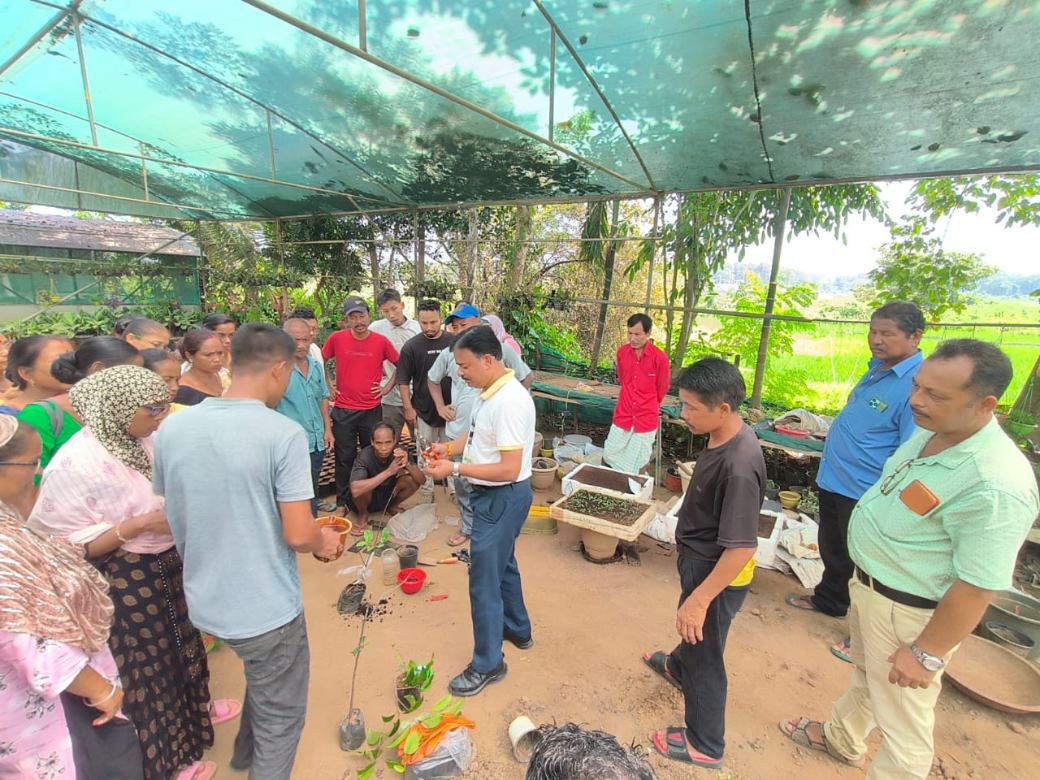
The Sericulture-Based Non-Wadi Project in Khowang block, Dibrugarh district, Assam, has been under implementation since April 2023, promoting small orchards integrated with Eri silk production for the holistic development of tribal communities. The project involves 350 Eri silk weavers from eight villages cultivating Eri food plants, primarily Kesseru (Heteropanax fragrans Roxb.) and Castor/Tapioca (Ricinus communis Linn./Manihot esculenta), intercropped with turmeric. Arecanut trees have been planted along the orchard borders for demarcation. In the fifth year, black pepper will be introduced using the arecanut palms as support, offering an additional source of income. A total of 159 beneficiaries had installed hand pumps to ensure irrigation within their plantations. A Common Facility Centre (CFC) is under construction to provide necessary infrastructure for Ahimsa Eri silk production. Forty-two Self-Help Groups (SHGs) are actively involved. To promote community organization and sustainability, Village Planning Committees (VPCs), SHGs, Farmer Producer Organizations (FPOs), and credit linkages have been developed. Beneficiaries have showcased their products at various fairs and melas, reflecting the project’s positive impact.
ITDP in Kushdhowa, Goalpara, Assam
The Integrated Tribal Development Programme in Kusdhowa block, Goalpara district, Assam, is a five-year initiative launched in April 2023. It targets 230 families, including 36 landless households, across four villages. The project promotes the “Wadi” (small orchard) model for the holistic development of tribal communities and seeks to mitigate human-elephant conflict through the use of tiny bees, while simultaneously generating additional income through apiary units. A total of 110 beekeeping units, comprising 230 bee boxes, have been established in the project villages. The first batch of 54 units yielded 42 kg of honey. Additionally, a solar-powered animal repeller system—equipped with flashing LED lights and loud sound mechanisms—has been installed to safely deter wild animals such as deer, pigs, and elephants. Key components of the project include horticulture plantations of mango and litchi, intercropped with black gram, peas, arhar, rapeseed, mustard (to support beekeeping), and turmeric (to repel termites). Coconut, Assam lemon, and bottle brush plants serve as border crops. For landless farmers, low-cost piggery units—each consisting of two sows and one boar—have been developed with improved sheds, vaccinations, medicines, and management practices. Each unit is expected to generate an annual income of approximately Rs. 25,000. Nine Self-Help Groups (SHGs) are actively involved in the project. Additionally, 36 traditional weaving units established in the villages generated a combined annual income of Rs. 1,29,230 during 2024–2025.
ITDP for Thrizino, West Kameng, Arunachal Pradesh
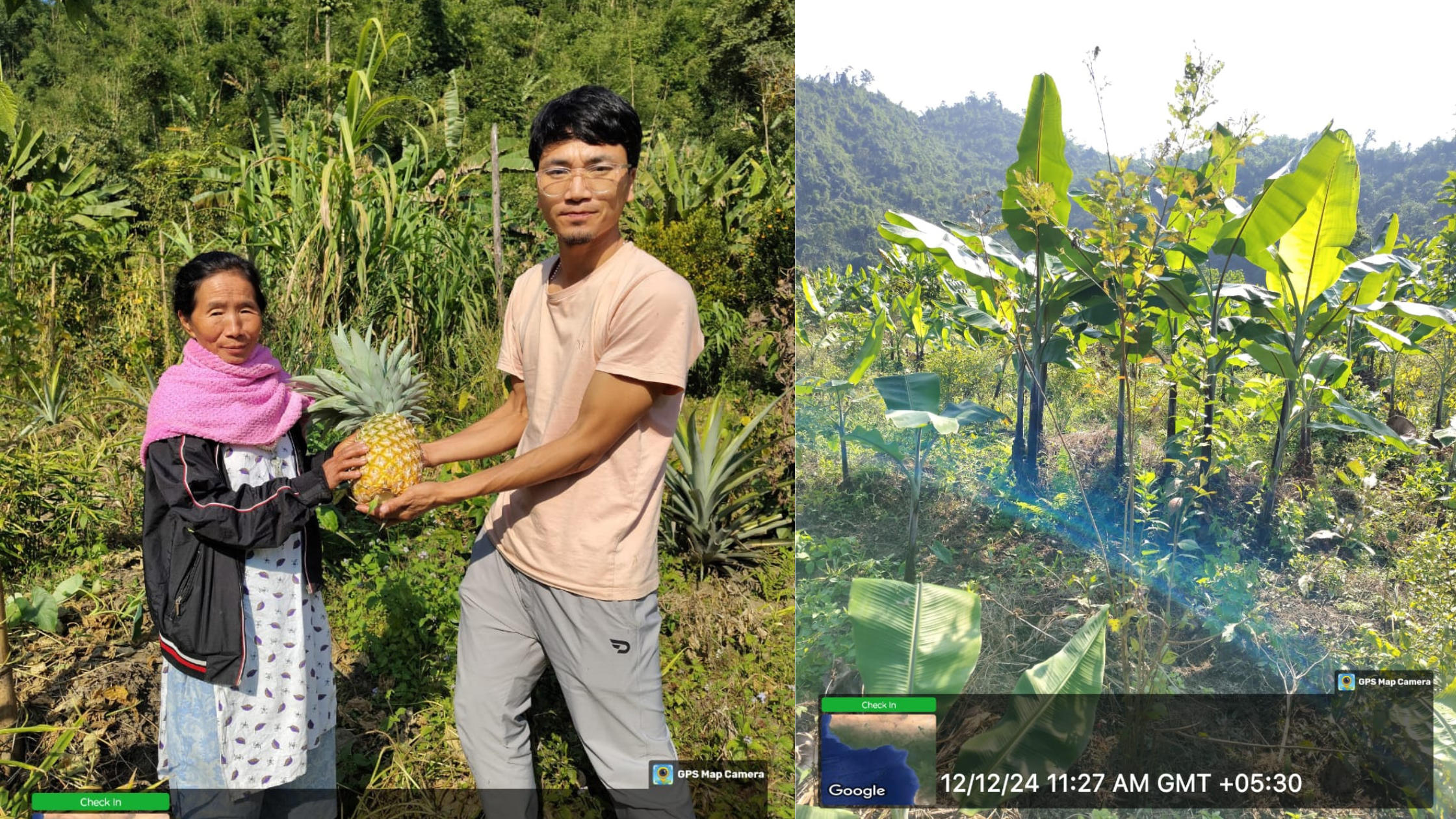
The Integrated Tribal Development Programme (ITDP) in Thrizino block, West Kameng district of Arunachal Pradesh, has been under implementation since April 2022. The project aims to enhance the livelihoods of 201 tribal farmers by developing small horticulture-based orchards across 201 acres in nine villages. The primary crops are orchards include plum, walnut, and kiwi, intercropped with pineapple and kidney beans, offering both nutritional and economic value. To support soil conservation and provide natural fencing, Malaysian sal and mahogany trees have been planted along the borders. Based on agro-climatic conditions, expert advice from the Krishi Vigyan Kendra (KVK), and farmers’ preferences, orange cultivation has been proposed in areas where the initially sanctioned crops have shown high mortality rates. The project emphasizes sustainable agricultural practices and diversification to improve productivity, soil health, and environmental resilience. Through this project, the programme seeks to uplift the socio-economic status of tribal communities by ensuring long-term income generation, food security, and ecological sustainability in the remote and hilly regions of West Kameng.