Bosco Reach Out (BRO), established in 1983 is a non-profit, non-political and non-religious organization.
BRO seeks to achieve integral development through empowerment of people by enabling them to build People’s Organizations and enhancing their capacities to utilize their resources optimally and have their rightful place in the society.
Contribution to the Reduction of Greenhouse Gas Emissions
About
The ‘Contribution to the Reduction of Greenhouse Gas Emissions and Sustainable Improvement of Living Conditions of Marginalized Population Groups in Joropara and Surrounding Areas, Northeast India’ has been implemented since 2020 with the support of Don Bosco Mondo e.V. and the German Ministry BMZ.” It operates across six districts – Baksa, Goalpara, Kamrup Metro, Sonitpur, West Karbi Anglong in Assam, and North Garo Hills in Meghalaya – covering 122 villages.
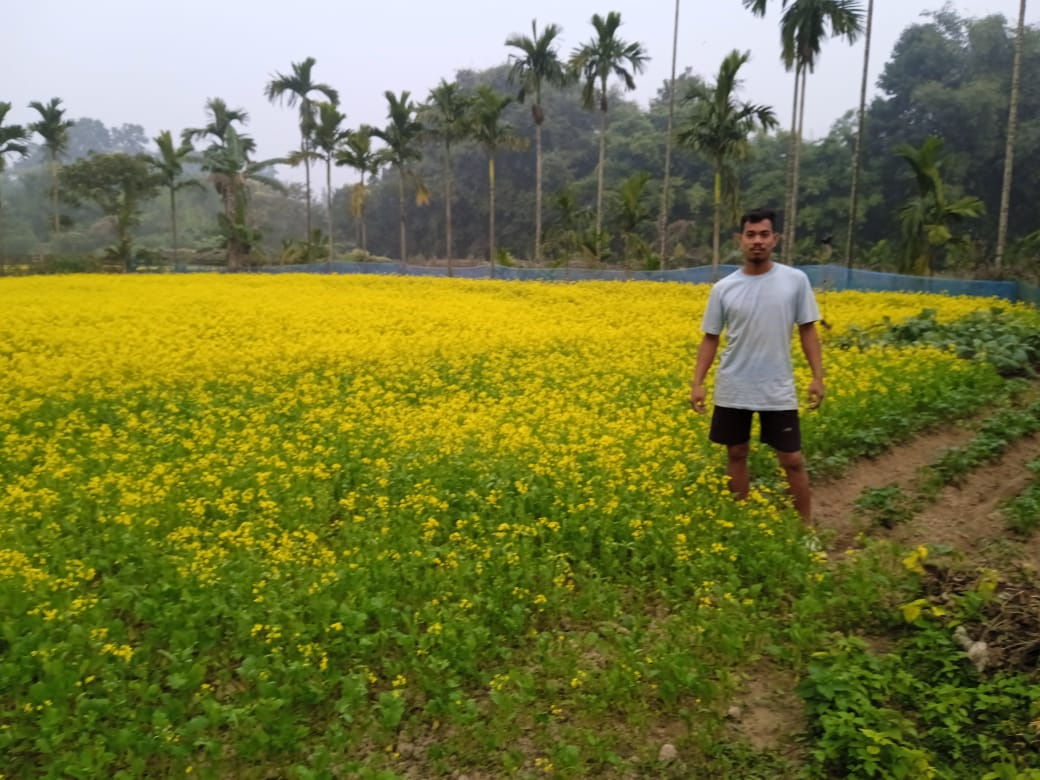
The primary objective is to train approximately 14,000 small farmers and youth on methods to reduce greenhouse gas emissions and adapt to climate change. These trained individuals will further disseminate this knowledge within their communities, contributing to long-term environmental sustainability and resilience. The overarching goal is to reduce emissions sustainably while improving the living conditions of marginalized communities in Northeast India.
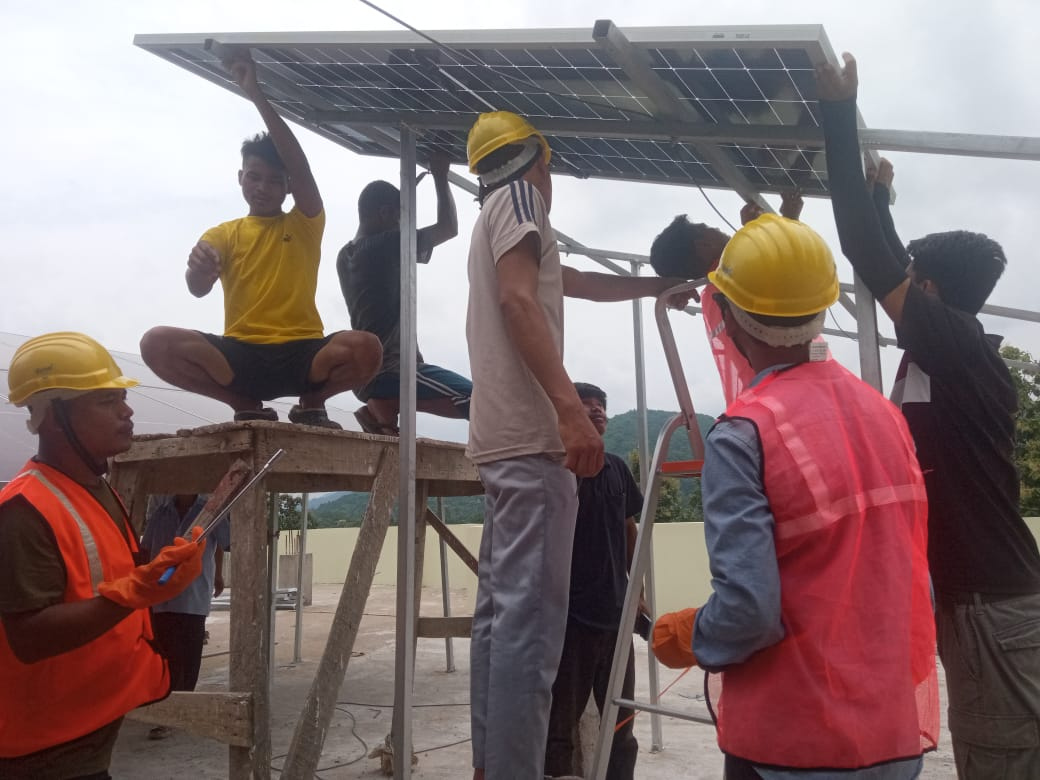
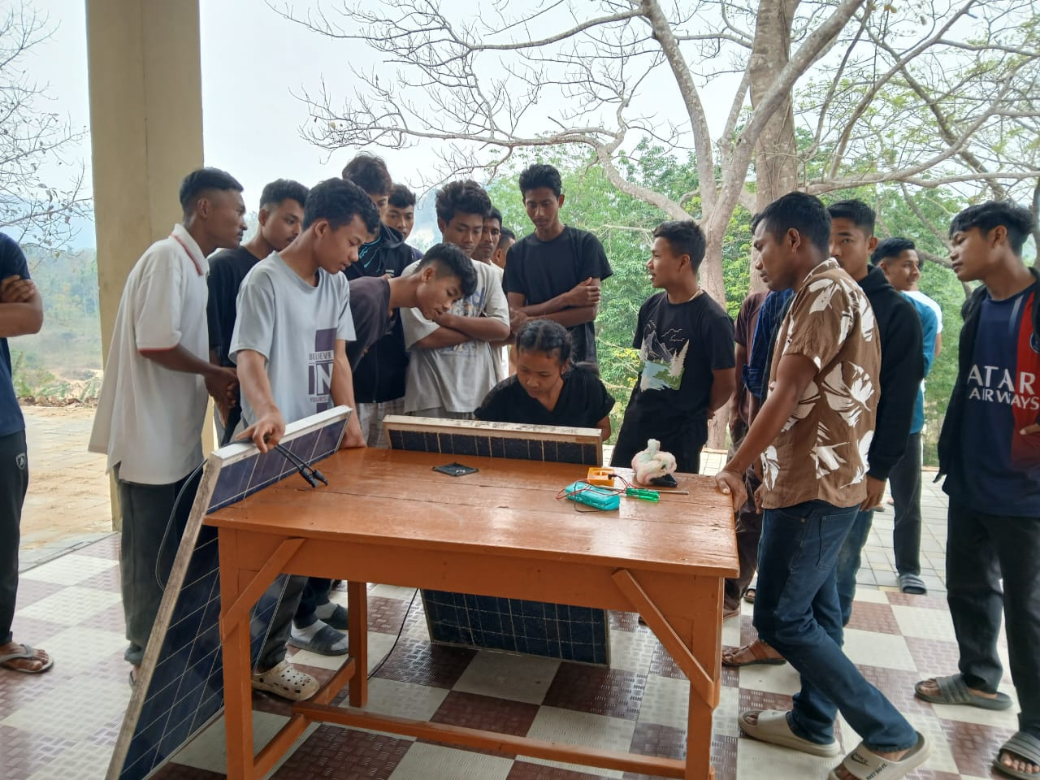
A major component of the project includes infrastructure development and green skill training, particularly through in-house courses on solar technology and an Outreach Programme. The key infrastructure—including a training and administrative building, training workshop, cafeteria, and separate hostels for girls and boys—has been completed and is fully functional. The entire centre is powered by solar energy, with a 12 kVA photovoltaic (PV) system installed in the training and administrative block, and two 20 kVA PV systems installed in the girls’ and boys’ hostels. A total of 197 trainees, primarily school dropouts and unemployed youth from poor and marginalized families, have successfully completed the in-house solar technician training.
No.
Indicator / Activity
Count / Description
1
Outreach programmes conducted
739
2
Marginalised small farmers (80% women) using low GHG emission agricultural techniques
5,941
3
Households that started compost units to reduce GHG emissions using agricultural waste and cattle dung
1,871
4
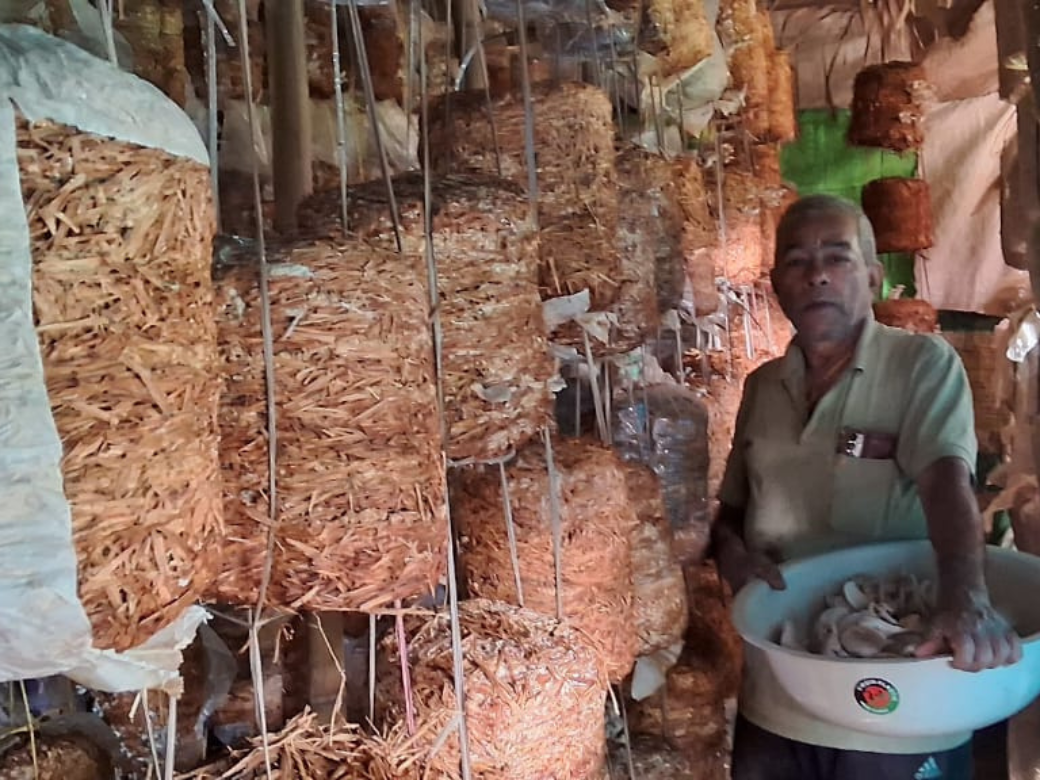
Households that stopped stubble burning and used agricultural waste for oyster mushroom cultivation
1,860
5
Participants using emission-controlling methods (soil, water, manuring, and pest management)
2,210
6
Households participating in solar electrification and stopping kerosene use
2,100
7
Small farmers reporting an average income increase of 20%
5,140
8
Elected representatives (91.27% female) of SHG/CLF attending at least two multiplier training programmes
6,715
9
Elected SHG representatives disseminating learnings on low-emission technologies and climate adaptation
350
10
Task forces formed and trained to combat climate change and disasters
18
11
Students and teachers visiting the green skill training centre and rating it useful